


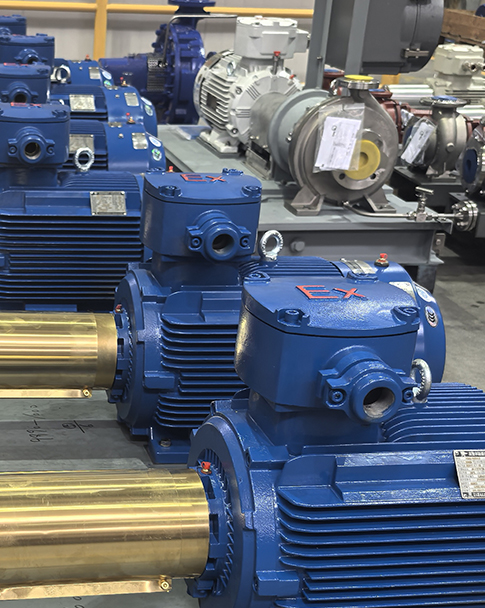
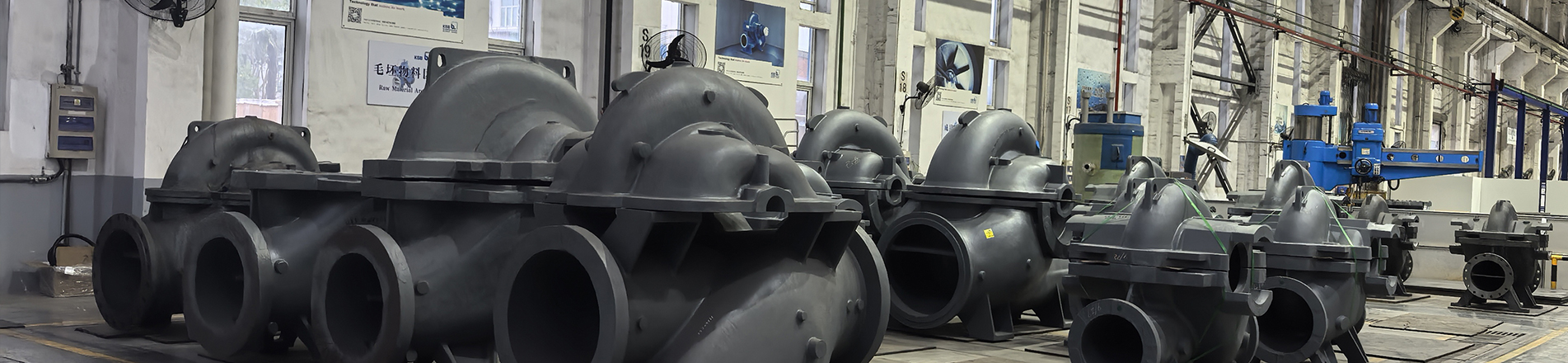
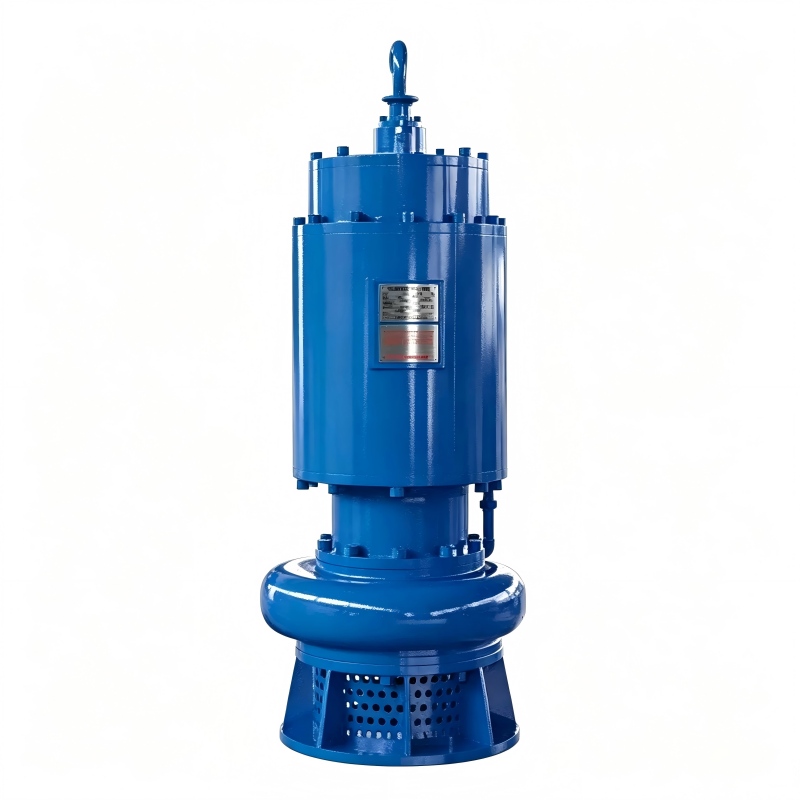
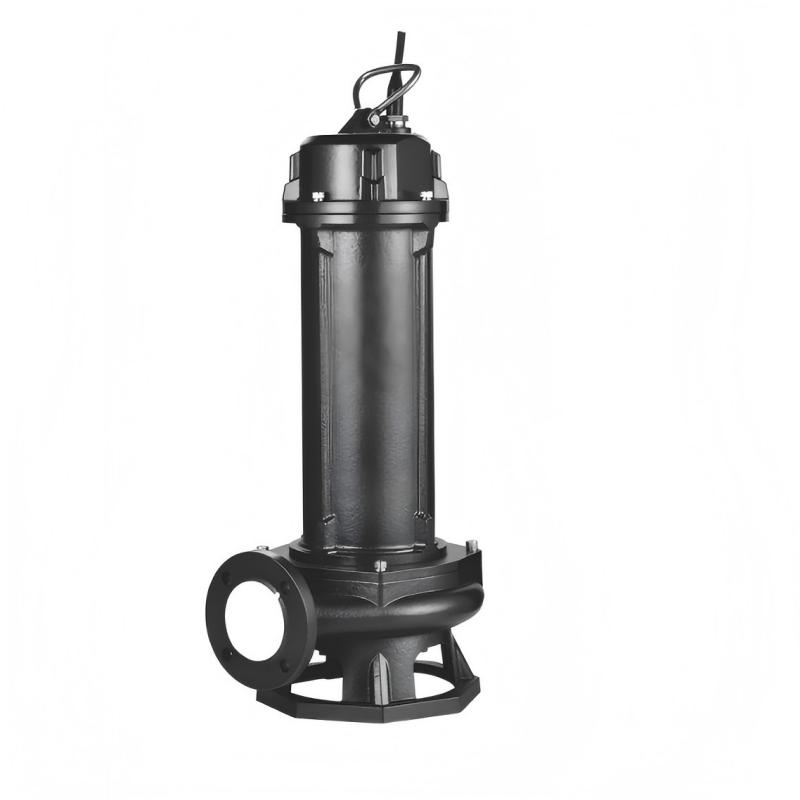
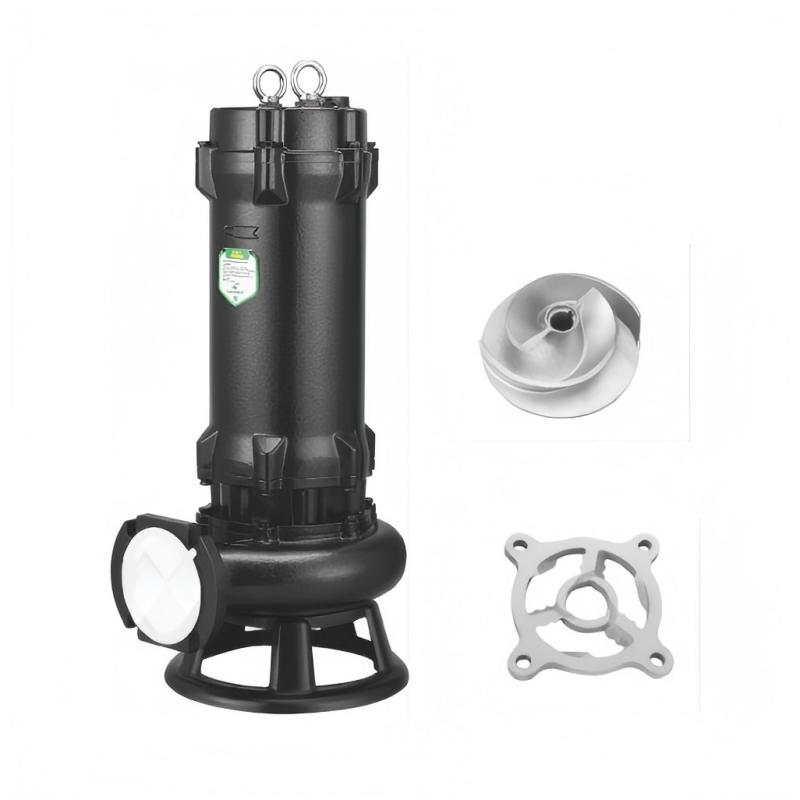
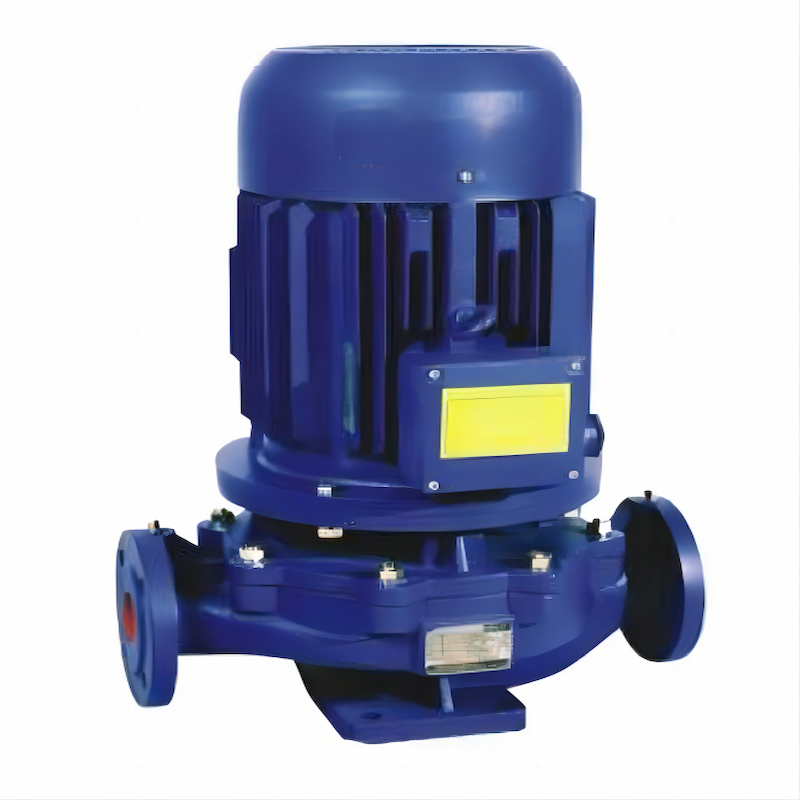
Pompa air adalah perangkat mekanis yang dirancang untuk mengangkut cairan atau memberi tekanan pada cairan tersebut. Perangkat ini mentransfer energi mekanik dari penggerak utama atau sumber energi eksternal lainnya ke cairan, sehingga meningkatkan energinya. Perangkat ini terutama digunakan untuk mengangkut cairan termasuk air, minyak, larutan asam/basa, emulsi, suspensi, dan logam cair.
Berikut beberapa kesalahpahaman umum tentang penggunaan pompa air.
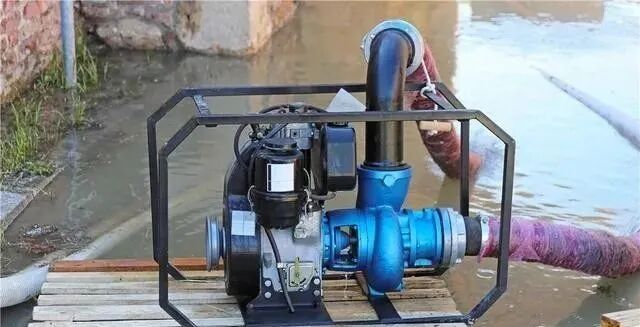
● Pompa bertekanan tinggi digunakan untuk memompa dengan tekanan rendah.
Banyak orang percaya bahwa semakin rendah ketinggian pompa, semakin rendah beban motor.
Akibat kesalahpahaman ini, pompa sering dipilih dengan daya dorong (head) yang tinggi.
Untuk pompa sentrifugal, setelah model ditentukan, konsumsi daya berbanding lurus dengan laju aliran aktual. Seiring peningkatan head, laju aliran menurun, artinya head yang lebih tinggi menghasilkan aliran yang lebih rendah dan konsumsi daya yang lebih rendah. Sebaliknya, head yang lebih rendah sesuai dengan aliran yang lebih tinggi dan kebutuhan daya yang lebih besar. Untuk mencegah kelebihan beban motor, head pemompaan aktual tidak boleh kurang dari 60% dari head nominal. Menggunakan head tinggi untuk aplikasi head rendah berisiko menyebabkan motor terlalu panas dan berpotensi terbakar. Untuk penggunaan darurat, pasang katup pengontrol aliran pada pipa pembuangan (atau blokir saluran keluar dengan balok kayu) untuk mengurangi aliran dan mencegah kelebihan beban. Pantau suhu motor – jika terjadi panas berlebih, segera kurangi aliran pembuangan atau matikan pompa. Kesalahpahaman umum adalah bahwa memblokir saluran keluar meningkatkan beban motor. Faktanya, unit pompa sentrifugal daya tinggi biasanya dilengkapi dengan katup pembuangan. Untuk meminimalkan beban awal, tutup katup terlebih dahulu dan buka secara bertahap setelah motor dinyalakan – ini adalah prinsip di balik pengoperasian yang benar.
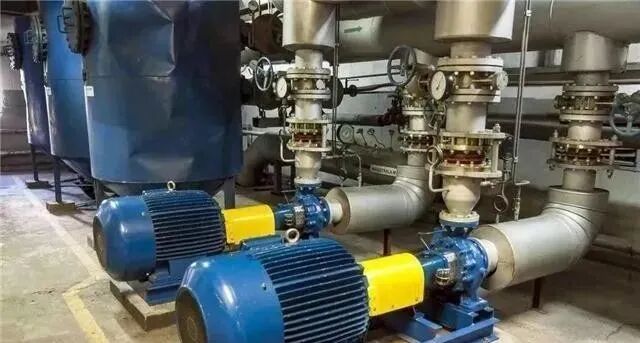
Banyak pengguna percaya bahwa ini dapat meningkatkan head sebenarnya, tetapi head sebenarnya dari sebuah pompa dihitung sebagai head total dikurangi head loss.
Ketika model pompa ditentukan, total head akan tetap.
Kehilangan tekanan terutama berasal dari hambatan pipa. Semakin kecil diameter pipa, semakin besar hambatannya, dan semakin besar pula kehilangan tekanan. Oleh karena itu, setelah mengurangi diameter pipa, tekanan aktual pompa tidak akan meningkat, melainkan menurun, sehingga mengakibatkan penurunan efisiensi pompa.
Demikian pula, ketika pompa berdiameter kecil digunakan untuk memompa air melalui pipa berdiameter besar, head aktual pompa tidak akan berkurang. Sebaliknya, head kehilangan akan berkurang karena penurunan hambatan pipa, sehingga meningkatkan head aktual.
Beberapa pengguna berpendapat bahwa penggunaan pipa yang lebih besar untuk pompa berdiameter kecil pasti akan meningkatkan beban motor. Mereka percaya bahwa diameter pipa yang lebih besar akan memberikan tekanan yang lebih besar pada impeler pompa, sehingga secara signifikan meningkatkan beban motor. Namun, penting untuk dicatat bahwa tekanan cairan semata-mata ditentukan oleh ketinggian head dan bukan oleh luas penampang pipa. Ketika head konstan dan dimensi impeler pompa tetap tidak berubah, tekanan yang bekerja pada impeler tetap konsisten terlepas dari diameter pipa. Meskipun diameter pipa yang lebih besar mengurangi hambatan aliran dan meningkatkan laju aliran, hal itu juga sedikit meningkatkan konsumsi daya. Namun demikian, selama pompa beroperasi dalam rentang head nominalnya, pompa dapat berfungsi normal dengan diameter pipa apa pun. Selain itu, pendekatan ini membantu meminimalkan kehilangan pada pipa dan meningkatkan efisiensi pompa.
Kesalahan! Hal ini akan menyebabkan penumpukan udara di pipa saluran masuk air, mengurangi tingkat vakum pipa air dan pompa, yang menurunkan daya hisap pompa dan mengurangi keluaran air.
Pendekatan yang benar adalah memastikan bagian horizontal sedikit miring ke arah sumber air, menghindari permukaan yang datar atau melengkung ke atas.
● Saluran pipa pengambilan air menggunakan banyak belokan.
Penggunaan siku yang berlebihan pada pipa pasokan air meningkatkan hambatan aliran air lokal. Siku harus dipasang secara vertikal, dan belokan horizontal dilarang untuk mencegah penumpukan udara.
Kesalahan! Ini akan menyebabkan distribusi air yang tidak merata ketika aliran melewati siku ke impeler. Jika diameter pipa masuk melebihi diameter saluran masuk pompa, pasang reduktor eksentrik.
Bagian datar dari reduktor eksentrik harus dipasang di atas, sedangkan bagian miring harus dipasang di bawah. Jika tidak, udara dapat menumpuk, yang menyebabkan penurunan debit air atau kegagalan pengambilan air, disertai dengan suara benturan.
Jika diameter pipa saluran masuk air sama dengan diameter saluran masuk air pompa, maka pipa lurus harus ditambahkan di antara saluran masuk air pompa dan siku, dan panjang pipa lurus tersebut tidak boleh kurang dari 2-3 kali diameter pipa air.
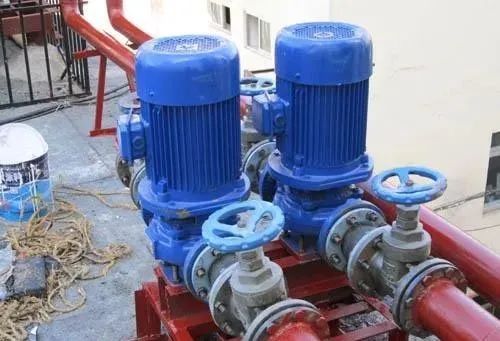
Terjadi kesalahan! Jika dipasang seperti ini, katup tidak dapat menutup secara otomatis, sehingga menyebabkan kebocoran.
Metode pemasangan yang benar adalah: pipa saluran masuk yang dilengkapi katup di bagian bawah idealnya dipasang secara vertikal pada bagian terendah. Jika pemasangan vertikal tidak memungkinkan karena kendala topografi, sumbu pipa harus membentuk sudut minimal 60° dengan bidang horizontal.
(1) Jarak antara lubang masuk pipa pengambilan air dan dasar atau dinding kolam pengambilan kurang dari diameter lubang masuk. Jika terdapat lumpur atau kontaminan lain di dasar kolam, dan jarak antara lubang masuk dan dasar kolam kurang dari 1,5 kali diameter, hal ini dapat mengakibatkan pengambilan air yang buruk selama pemompaan atau penghisapan lumpur dan puing-puing, yang menyebabkan penyumbatan lubang masuk.
(2) Apabila kedalaman pengambilan air pada pipa masuk tidak mencukupi, hal ini dapat menyebabkan terbentuknya pusaran air di sekitar permukaan air pada pipa masuk, sehingga mempengaruhi pengambilan air dan mengurangi debit air. Metode pemasangan yang benar adalah: untuk pompa kecil dan menengah, kedalaman pengambilan air tidak boleh kurang dari 300–600 mm; untuk pompa besar, tidak boleh kurang dari 600–1000 mm.
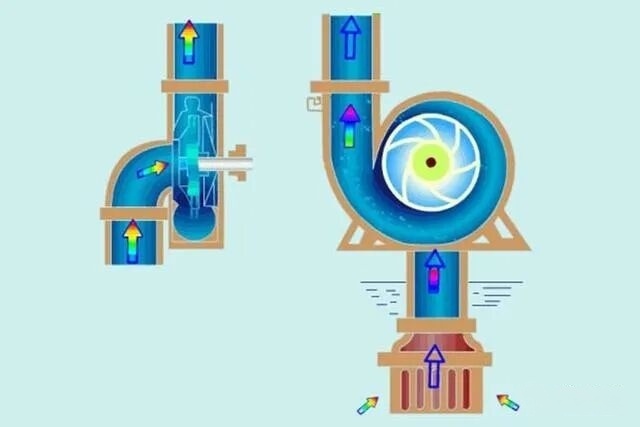
Jika saluran keluar berada di atas permukaan air normal kolam pembuangan, tekanan pompa mungkin meningkat tetapi laju aliran akan menurun. Jika saluran keluar harus lebih tinggi dari permukaan air karena kendala medan, siku dan pipa pendek harus dipasang di lubang pipa untuk membentuk sifon, sehingga mengurangi ketinggian saluran keluar.




 IPv6 network supported.